Tailored Dementia Care Strategies: The Advantage of Small Senior Homes
Business Name: Beehive Homes of Sandy
Address: 9532 S 700 E, Sandy, UT 84070
Phone: (801) 975-5244
Beehive Homes of Sandy
BeeHive Homes of Sandy provides personalized assisted living and memory care in a comfortable residential setting. Our compassionate caregivers deliver attentive daily support focused on dignity, independence, comfort, and quality of life.
9532 S 700 E, Sandy, UT 84070
Business Hours
Families seldom begin checking out dementia care on a peaceful, relaxed afternoon. Generally it follows a crisis, or a sluggish construct of worry that finally topple: medication errors, wandering, nighttime falls, angry outbursts that do not sound like the person you like.
By the time you take a seat to weigh assisted living choices, read brochures about memory care, or rate out respite care, you are often tired and uncertain whom to trust. What most families sense, even if they do not have the words yet, is that dementia care has to be far more than guidance and medication. It needs to be personal, deeply so.
Small senior residences, sometimes called residential care homes or board-and-care homes, are uniquely positioned to offer that type of customized care. They are not the ideal answer for every scenario, but when they fit, they can completely change the trajectory for an memory care sandy ut Beehive Homes of Sandy individual living with dementia and for their family.
This is not theory. It is the pattern I have actually seen consistently throughout years of working with households, clinicians, and operators of both large and little senior care settings.
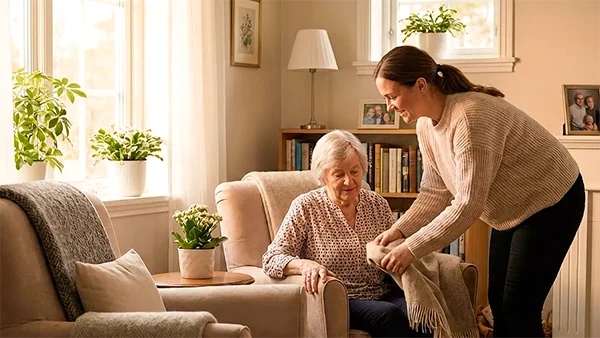
Why customization is the core of dementia care
Dementia is not one disease, and it is definitely not one experience. A person with early Lewy body dementia who still reads the paper and strolls a mile daily has various requirements from somebody in late-stage Alzheimer's who is bedbound and mostly nonverbal. Even within the very same medical diagnosis and stage, character, history, values, and culture shape how symptoms appear and how care ought to respond.
Standardized care strategies tend to focus on jobs: bathing, dressing, medication administration, meals, fall precautions. Those are essential, and any accountable assisted living or memory care program needs to cover them. However families quickly notice when the plan on paper does not match the individual they love.
The distinction between a task-oriented strategy and a genuinely customized dementia care plan frequently boils down to three questions:
- Does this strategy show what matters most to this particular person, not simply what is practical for the staff?
- Does the environment actually support the strategy, or does it battle versus it every day?
- Do the same individuals carry out the strategy regularly enough to observe little modifications early?
Small senior homes are structured in a manner that makes yes more likely for each of these questions.
What defines a little senior residence
There are various regulatory labels depending on the state or nation, but when specialists talk about little senior houses, they generally suggest homes with someplace in between 4 and 16 locals. Many are literally houses that have actually been adapted to fulfill security and availability requirements.
Compare that to a traditional assisted living or memory care neighborhood, where resident counts often range from 60 to more than 150, often spread out throughout several floors or structures. Those larger neighborhoods can offer amenities that smaller sized homes can not, like spacious treatment gyms, activity calendars that fill a printed pamphlet, or on website salons.
Small homes trade scale for intimacy. Common functions consist of:
- A single kitchen area where staff cook for everybody, not an industrial dining room.
- Shared home that look more like a household home than a hotel lobby.
- Direct access to a backyard or patio area without elevators or long corridors.
- Staff who rotate among just a handful of residents, not dozens.
That architecture and staffing pattern is not a cosmetic detail. It is the foundation that makes extremely personalized dementia care practical instead of aspirational.
How small scale changes dementia care in practice
In a large memory care unit, each caretaker may be responsible for 8 to 12 locals on a common shift, sometimes more. During peak times like early morning care, this can climb higher. Personnel need to move rapidly, and regimens frequently end up being standardized to make it through the workload.
In a small senior residence, ratios are commonly closer to 1 staff for 3 to 5 locals throughout the day, often even better in specialized dementia homes. The outright numbers differ, however two things often follow:
First, caretakers know each resident at a granular level. Not just medical diagnoses and allergic reactions, but the method Mr. Alvarez glances at the door when he is overwhelmed, or how Ms. Chen's cravings dips three days before she develops a urinary infection. Acknowledging those subtle patterns is often what avoids emergency clinic visits or significant behavioral crises.
Second, there suffices flexibility to in fact enact a tailored plan, not simply compose one. If somebody with dementia wakes for the day at 5:30 a.m. And feels most calm in the early morning, a little home can typically adjust staff routines so that she can shower and consume when she is at her finest, instead of insisting she wait till standardized breakfast at 8 a.m.
I viewed this play out clearly with a retired firemen who moved into a 6 bed house after stopping working in a much larger assisted living community. In the bigger setting, he paced corridors during the night, attempted to open exit doors, and repeatedly set off alarms, which not surprisingly distressed other residents. Staff identified him "exit seeking" and "sundowning," and his family was told he might need a locked psychiatric unit.
In the little home, the manager sat down with his child and asked detailed questions about his work history and regimens. Within two weeks they had moved his entire schedule. He took an early night walk around the fenced backyard with a caregiver, browsed old firehouse photos after dinner, and was allowed to assist test the smoke alarm month-to-month with supervised support. His roaming reduced greatly with no brand-new medication. The underlying requirement, not simply the habits, was finally being addressed.
Tailored care plans: more than a file in the chart
A real dementia care plan in a small house is both scientific and individual. It is not simply a list of "help with shower" and "advise to use walker." It weaves together security, medical truths, psychological needs, and meaningful activity.
Several aspects tend to be more powerful in small homes that focus on personalized memory care.
Deep life history and preferences
In a big community, "getting to know you" typically occurs through one intake conference and a few standardized kinds. Personnel turnover can imply that whoever deals with your parent next month never ever hears the stories you shared.
In a little residence, the intake process can stretch over a number of discussions, often with the manager or owner present. I have seen supervisors ask households to generate old photo albums, cookbooks, or a preferred fishing pole well before move in, not as decoration, however to build a profile of what grounds the person. That life history then informs:
- Preferred day-to-day schedule, from waking times to peaceful hours.
- Language or dialect use, especially in multilingual households.
- Religious or spiritual practices that supply comfort.
- Food choices, including textures or fragrances that activate memories.
When the night caregiver understands that the man with dementia praying quietly at 2 a.m. As soon as led services at his church, she will react in a different way than if she sees only a restless resident who needs to be redirected back to bed.
Behavior viewed as interaction, not misbehavior
Challenging habits in dementia, like aggression, rejection of care, or shouting, usually have a cause, even if the individual can not describe it in words. Pain, fear, overstimulation, infection, irregularity, and sorrow are all routine culprits.
In crowded settings, staff under time pressure might default to short-term fixes: antipsychotics for agitation, sedatives for insomnia, or rigid constraint of movement. There are times when those tools are suitable, however they often move too quickly to the front of the line.
Small senior homes, when well run, can take a more detective like technique. I have actually watched groups examine a week's worth of notes to see if a resident's verbal outbursts constantly followed loud vacuuming or coincided with a new medication. When determined, the trigger might be gotten rid of or mitigated, frequently reducing distress without heavy sedation.
The tight staff team is crucial here. When the very same 3 caregivers handle early morning care day after day, they can compare impressions and catch patterns that a rotating cast of lots might miss.
Flexible routines, consistent anchors
Dementia care needs both flexibility and predictability. The versatility to adjust to modifications in capability and mood. The predictability to offer a stable rhythm that decreases anxiety.
Small homes support this mix through short interaction lines and a simple environment. If a resident's movement decreases and he can no longer securely use the tub, the care plan can be altered quickly, and the real bathing environment customized within days. There is no requirement to await approvals from a number of layers of corporate leadership.
Anchors like shared mealtimes, everyday strolls in the garden, or a standing 3 p.m. Music time can stay constant even as the information shift. With time those anchors enter into the resident's internal map of safety.
Comparing small houses to bigger assisted living and memory care communities
Families typically ask whether they need to look initially at a standard assisted living or memory care community, or whether a little house is more appropriate. There is no single right response. The much better concern is: offered the specific requirements, personality, and budget involved, which environment supports a customized strategy more effectively?
Below is a focused contrast of common differences.
-
Staffing and relationships
Little houses generally provide more detailed staff-resident ratios and more connection. Caregivers in a 10 bed home may know every resident's relative by name. Bigger communities in some cases deal with turnover and turning assignments, which can impact how well personnel know individual histories. -
Environment and stimulation
A small house-like setting tends to be calmer and easier to navigate for people with dementia, which minimizes confusion and fall threat. Bigger buildings can supply more structured group activities and specialized spaces, however they can also overwhelm homeowners who are sensitive to sound or crowds. -
Clinical resources and amenities
Larger assisted living or memory care properties may have more on site services like therapy rooms, checking out professionals, or formal activity departments. Little homes typically depend on going to companies and smaller sized scale activities, which can be very personal, however might feel limited if a resident grows on variety. -
Cost structure and transparency
Rates differs extensively, but little homes often use a relatively easy all inclusive day-to-day or monthly rate with include ons only for really specific requirements. Big neighborhoods in some cases utilize tiered prices that can escalate with time as requirements increase. Neither design is inherently much better; what matters is how foreseeable and clear the expenses are for your family.
When dementia care requirements are moderate to sophisticated, the relationship-driven environment of a small home can outweigh the missing out on additionals. For more independent seniors who still enjoy big celebrations and a large range of amenities, a larger assisted living neighborhood may be a better match in the beginning, with the alternative to transition later.
The special function of respite care in little homes
Respite care is short term residential care that gives family caretakers a break while providing safe, structured support for the individual with dementia. In practice, little senior residences frequently work as an ideal setting for respite, especially in early and middle stages.
Several advantages stand out.
First, the home like environment tends to be less intimidating for somebody who has actually constantly lived in single household houses or small apartments. Walking into a 120 system building with an official reception desk can set off stress and anxiety for an individual with cognitive impairment, while entering a living room with a couch and a familiar smelling cooking area can feel more natural.
Second, staff can more quickly integrate a short-term guest into every day life. In a 10 resident home, including one respite guest implies everybody learns more about that individual within a day or 2. Caregivers learn quickly whether he prefers morning coffee on the patio or a quiet room to read, and can fold those preferences into the momentary care plan.
Third, respite stays can work as a gentle trial run for longer term memory care or assisted living choices. Families can see whether their loved one settles well in a communal environment, whether they react to social meals, and how they finish with staff supported routines. If a relocation eventually ends up being required, familiarity with a small residence can decrease the injury of relocation.
I typically suggest families use respite strategically, not just during crises. A prepared one or two week stay every few months can offer main caregivers sustainable rest while likewise developing a relationship with a home that may one day become a more irreversible solution.
Clinical and emotional outcomes in smaller settings
Research on small scale dementia care environments, consisting of "Green House" design homes and other home models, has actually discovered a constant pattern: locals tend to experience fewer hospitalizations, more stable weight, and greater family complete satisfaction compared to standard institutional designs. Not every little home fits those models or matches those results, but the underlying principles still matter.
On the medical side, earlier detection of modification is the secret. When a caretaker helps the exact same individual to dress every early morning, she is positioned to see that swelling in the ankles started three days back, or that breathing sounds subtly tighter. That can prompt a prompt call to a visiting nurse professional before the issue becomes a complete blown emergency.
Medication management likewise advantages. With less citizens to track, staff can pay closer attention to side effects like increased falls after a brand-new sedative is introduced, or emerging tremblings after an antipsychotic dose changes. In an overloaded setting, those changes might be credited to "dementia development" rather of being flagged as potentially reversible.
Emotionally, residents in little homes often keep stronger sense of belonging. They acknowledge personnel and other residents as "their individuals" instead of as an ever changing crowd. Even individuals in advanced dementia who can no longer call caretakers correctly will reveal visible relaxation when greeted by the very same familiar faces each day.
Family fulfillment is hardly ever about chandeliers or activity calendars. It is mainly about trust and access. In little homes, households can normally reach a decision maker rapidly by phone or text. Numerous homes encourage casual visits at varied hours, not just in a narrow going to window. That openness promotes collaborative problem fixing when hard decisions occur, such as whether to pursue hospitalization for pneumonia or deal with in place.
When a small house might not be the best fit
No model is best. Small senior houses have restrictions, and it would be reckless to disregard them.
Some homes do not have 24/7 nursing coverage, relying rather on caretakers and on call nurses or physicians. For a person with extremely complex medical needs, such as regular IV medications, unstable heart rhythms, or advanced breathing illness needing consistent tracking, a setting with on site licensed nursing all the time may be safer.

Regulatory oversight can also vary. In some areas, standards for small homes are robust and well implemented. In others, rules might be looser than those for big assisted living or memory care companies. Households require to ask pointed questions and validate licensing, examination history, and personnel training, rather than presuming intimacy always equals quality.
Financially, little homes can be either more or less pricey than bigger neighborhoods, depending upon local markets and the intensity of care required. While some offer exceptional value, others might charge premium rates reflecting the high staffing ratios. Sustainable financing is a practical constraint for many families, particularly when dementia care may stretch over numerous years.
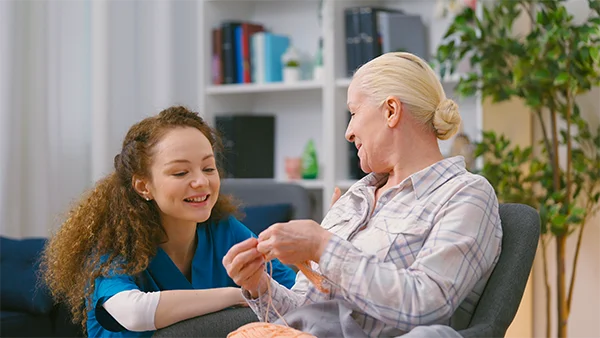
Finally, specific characters truly take pleasure in the buzz and range of a bigger environment. A retired instructor who prospers on leading groups and meeting new people might feel constrained in a tiny home if a lot of other locals are quieter or more impaired. Matching character is as important as matching clinical needs.
How to assess a small senior residence for dementia care
Families exploring little homes typically feel all at once confident and careful. The home feels more human than a large facility, however you may question how to tell whether the memory care provided is actually as customized as it sounds in the brochure.
A succinct checklist can help focus your visit and conversations.
-
Observe real interactions, not just staged tours
View how personnel talk with locals when they are not "on screen." Do they utilize names, make eye contact, and react to nonverbal hints? Ask if you can visit throughout a regular minute like breakfast or evening preparation instead of only at mid afternoon "activity time." -
Ask about staff stability and training
Request specific numbers: average length of work for caretakers, turnover in the past year, and the type of dementia specific training provided. A home where most staff have been there numerous years, and where training includes real case discussions, is much better placed to provide constant dementia care. -
Review how care strategies are created and updated
Ask who leads the evaluation, how typically care strategies are modified, and how families are involved. Look for evidence of routine reviews triggered by modifications in ability, not just by yearly schedules. Request an anonymized example care plan to see how in-depth and person centered it truly is. -
Clarify medical assistance and emergency situation protocols
Discover which clinicians visit the home, how typically, and what occurs during an acute change. Can the home manage mild pneumonia or a urinary infection onsite, or is hospitalization always needed? Clear, realistic answers signal experience and honesty. -
Understand pricing and "what if" scenarios
Have the supervisor walk you through the agreement utilizing concrete examples. If your mother begins to need 2 person transfers, or develops nighttime wandering, how will those modifications affect cost and staffing? Surprises are far less most likely when these situations are gone over before relocation in.
Taking notes throughout and after each visit assists. You may not keep in mind whether it was the 2nd or 3rd home where a caretaker knelt down to speak eye to eye with a resident who was distressed, or where a team member cut food attentively for a guy with trembling. Those small moments tell you more about the culture of care than any sleek marketing sheet.
Integrating household into the care partnership
Tailored dementia care does not press households to the sidelines; it brings them into the center as partners. Small residences frequently have a benefit here due to the fact that communication lines are much shorter and hierarchies flatter.
Family members can share insights about triggers, soothing routines, or deeply held worths that just years of relationship expose. For instance, understanding that your father constantly responded terribly to being rushed, even long before dementia, helps staff take a slower, more step-by-step technique to bathing or dressing.
On the other side, staff in a small home can update households rapidly on subtle modifications that might not surface in regular monthly care conferences. A short text stating, "Your mom really illuminated when we played 1960s Motown today," may prompt you to bring in preferred records or pictures from that period. Those exchanges slowly improve the care plan.
Honest conversations about decrease and end of life are much easier in this sort of collaboration. When you rely on individuals who spend every day with your loved one, you are much better able to weigh alternatives like hospice enrollment, comfort focused medication modifications, or a decision to deal with infections in your home rather than with duplicated hospitalizations. The result is frequently a more tranquil, significant last chapter.
Bringing everything together for your family
Dementia care is as much about context as it has to do with medical realities. The exact same individual can fail in one environment and flourish in another, with no modification in medical diagnosis. Little senior houses use a context where customized care strategies are not an afterthought however the natural way of doing things.
They offer:
- A scale that supports deep knowing of each resident.
- A home like environment that lowers confusion and promotes calm.
- The flexibility to alter routines rapidly as dementia evolves.
- The intimacy to make household partnership feel natural, not bureaucratic.
They are not the only path. Some individuals will do better in bigger assisted living or specialized memory care neighborhoods, specifically in early phases or when they crave a broad social network. Others may stay in your home longer with strong in home supports and periodic respite care.
What matters is aligning setting, care strategy, and individual. When you assess alternatives, listen not only to what suppliers guarantee, but to what you observe gradually: intonation, body language, responsiveness to small requests, determination to adapt.
If you stroll into a small senior house and see staff using the individual's favored nickname, honoring long held rituals, and adjusting the plan in real time instead of insisting "this is how we do things here," you are most likely standing in a place where customized dementia care is not a slogan however a daily practice. That type of environment can make the hardest parts of this journey feel more bearable, for both the individual living with dementia and the household who loves them.
Beehive Homes of Sandy provides assisted living care
Beehive Homes of Sandy provides memory care services
Beehive Homes of Sandy provides respite care services
Beehive Homes of Sandy supports assistance with bathing and grooming
Beehive Homes of Sandy offers private bedrooms with private bathrooms
Beehive Homes of Sandy provides medication monitoring and documentation
Beehive Homes of Sandy serves dietitian-approved meals
Beehive Homes of Sandy provides housekeeping services
Beehive Homes of Sandy provides laundry services
Beehive Homes of Sandy offers community dining and social engagement activities
Beehive Homes of Sandy features life enrichment activities
Beehive Homes of Sandy supports personal care assistance during meals and daily routines
Beehive Homes of Sandy promotes frequent physical and mental exercise opportunities
Beehive Homes of Sandy provides a home-like residential environment
Beehive Homes of Sandy creates customized care plans as residents’ needs change
Beehive Homes of Sandy assesses individual resident care needs
Beehive Homes of Sandy accepts private pay and long-term care insurance
Beehive Homes of Sandy assists qualified veterans with Aid and Attendance benefits
Beehive Homes of Sandy encourages meaningful resident-to-staff relationships
Beehive Homes of Sandy delivers compassionate, attentive senior care focused on dignity and comfort
Beehive Homes of Sandy has a phone number of (801) 975-5244
Beehive Homes of Sandy has an address of 9532 S 700 E, Sandy, UT 84070
Beehive Homes of Sandy has a website https://beehivehomes.com/locations/sandy/
Beehive Homes of Sandy has Google Maps listing https://maps.app.goo.gl/gxoX9vT5PFH9mJTP9
Beehive Homes of Sandy won Top Assisted Living Homes 2025
Beehive Homes of Sandy earned Best Customer Service Award 2024
People Also Ask about Beehive Homes of Sandy
What does assisted living cost at BeeHive Homes of Sandy?
BeeHive Homes of Sandy offers all-inclusive assisted living pricing. That means one straightforward monthly rate covering personal care, home-cooked meals, housekeeping, laundry, and daily support, with no hidden costs or surprise fees. Because we offer seasonal pricing and current availability can change, we invite families to call for up-to-date rates and any current offers. Before move-in, our team completes a personalized assessment of health, mobility, medication, and activities-of-daily-living needs, so we can confirm the right care plan and share clear pricing for your family.
Can residents remain at BeeHive Homes as their care needs change?
Yes. In almost all cases, residents can remain at BeeHive Homes of Sandy as their care needs change, aging in place in a familiar, homelike environment. Because we coordinate with third-party home health and hospice providers, residents can receive added care right in the home rather than relocating. It is very rare for a resident to need to move, and that typically happens only when someone requires continuous skilled nursing or hospital-level care beyond what an assisted living or memory care home can safely provide.
Is a nurse available at BeeHive Homes of Sandy?
Yes. BeeHive Homes of Sandy has a nurse who provides day-to-day oversight of residents and works directly with each resident's own physicians and healthcare providers to continue the best possible care. Residents may keep seeing their preferred doctors, and when ordered by a medical provider, home health, therapy, or hospice services can often be delivered directly in the home. Caregiver support is available 24 hours a day.
What are the visiting hours at BeeHive Homes of Sandy?
Visit anytime. At BeeHive Homes of Sandy, we would rather family come too often than not often enough, because strong family relationships are an important part of every resident's well-being. We simply ask that visits be respectful of the other residents who live here, along with each resident's meals, rest, and care schedule. If you would like to come very early or very late, just let us know in advance and we will make it work.
Are rooms available for couples at BeeHive Homes of Sandy?
BeeHive Homes of Sandy may have room options for couples who wish to remain together while receiving senior care. Availability depends on current openings, room size, and the care needs of both individuals. Please contact our team to discuss available accommodations and find the best fit for your family.
What services are provided at BeeHive Homes of Sandy?
BeeHive Homes of Sandy provides personalized assistance with bathing, dressing, grooming, mobility, medication management, meals, housekeeping, laundry, and other activities of daily living. Residents also enjoy private rooms, home-cooked meals, engaging senior activities, and caregiver support available 24 hours a day, all in a smaller, residential-style setting that feels like home.
Does BeeHive Homes of Sandy offer memory care and respite care?
Yes. BeeHive Homes of Sandy offers both memory care and assisted living. Our memory care supports residents living with Alzheimer's disease, dementia, or other cognitive changes. Short-term respite care is also available for recovery periods, caregiver relief, or families who want to experience BeeHive Homes before considering a long-term move. Availability and suitability are determined through an individual assessment.
How can I schedule a tour of BeeHive Homes of Sandy?
Call (801) 975-5244 to schedule a tour of BeeHive Homes of Sandy anytime. A personal visit is often the best way to experience our calm, homelike atmosphere, meet our caregivers, see the private rooms and shared spaces, and ask questions about assisted living, memory care, or respite care in Sandy, Utah. We would love to help you decide whether BeeHive Homes is the right next step for someone you love.
Where is Beehive Homes of Sandy located?
Beehive Homes of Sandy is conveniently located at 9532 S 700 E, Sandy, UT 84070. You can easily find directions on Google Maps or call at (801) 975-5244 Monday through Sunday Open 24 hours
How can I contact Beehive Homes of Sandy?
You can contact Beehive Homes of Sandy by phone at: (801) 975-5244, visit their website at https://beehivehomes.com/locations/sandy/
Conveniently located near Beehive Homes of Sandy Megaplex Sandy a great movie theater with full food & drink menu. Catch a movie and enjoy some great food while you wait.